Uruguay’s Agricultural Sector
Agriculture as a Driver of Uruguay’s Development
The agricultural sector has historically been one of the main drivers of Uruguay’s economic development. The combination of outstanding natural resources, institutional stability, technological innovation, and openness to international trade has enabled the country to consolidate a modern, efficient production system with a strong focus on global markets.
More than 90% of Uruguay’s territory is suitable for agricultural production, and approximately 16.4 million hectares are devoted to productive activities. This exceptional availability of land has enabled Uruguay to develop a diversified and competitive agro-export model, capable of producing food, fibers, and forest products for some of the world’s most demanding markets.
Over the past decades, the country has undergone a significant transformation of its agro-industrial value chains. The adoption of new technologies, genetic improvement, the intensification of production systems, advances in logistics, and the increasing industrialization of production have significantly increased productivity and enabled the development of higher value-added products, strengthening the sector’s international competitiveness.
| According to Uruguay XXI, the agro-industrial sector accounts for approximately 80% of Uruguay’s goods exports. |
Today, Uruguayan products reach more than 150 countries, reflecting a strong international presence built on quality, animal and plant health standards, traceability, and compliance with international trade commitments. Beef, pulp, dairy products, rice, soybeans, wood, wool, and citrus fruits form part of a diversified export portfolio recognized for its reliability and the high production standards that characterize the country.
The importance of agriculture extends far beyond primary production. When agricultural activities are considered together with related industries—such as meat processing plants, dairy facilities, mills, the forestry industry, logistics, transportation, and associated services—the agro-industrial sector represents between 14% and 16% of Uruguay’s Gross Domestic Product (GDP) and generates approximately 80% of the country’s goods exports, making it one of the fundamental pillars of the Uruguayan economy. Its contribution is essential to foreign exchange generation, economic growth, employment, and the development of the country’s interior regions.
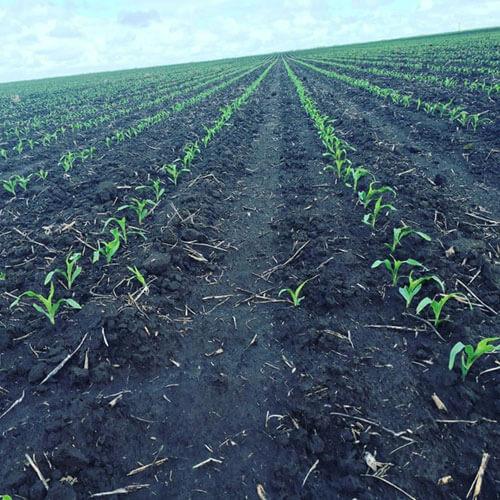
This development has been supported by significant investment in infrastructure, research, genetic improvement, irrigation systems, precision agriculture, and the digitalization of production processes. Institutions such as MGAP, INIA, INAC, INASE, and INAVI have played a key role in knowledge generation, market access, and the strengthening of sanitary control systems, all of which represent important competitive advantages for the country.
Thanks to this combination of natural resources, technical expertise, institutional stability, and a strong export orientation, agriculture continues to be one of the main drivers of Uruguay’s development. More than just a productive sector, it represents a platform for economic growth that generates value throughout the entire supply chain, encourages private investment, and positions Uruguay as a reliable global supplier of food and raw materials.
Documents:
Office of Agricultural Programming and Policy
- Download / View: PDF Version
Agricultural Statistical Yearbook 2025
- Download / View: PDF Version
Uruguay XXI
- Livestock Sector
- Download / View: PDF Version
- Agricultural Sector
-
- Download / View: PDF Version
Livestock

1248 Dr. Luis Alberto de Herrera Ave,
World Trade Center Tower III , Floor 12
11300 Montevideo, Uruguay
info@vieragro.com.uy